
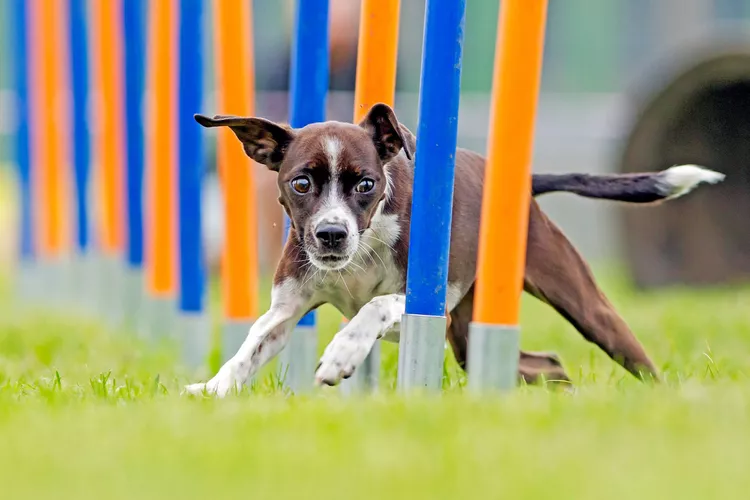
Bringing home a puppy is an exciting experience, but raising a well-behaved dog requires patience, consistency, and the right guidance. Reliable puppy training Phoenix programs help families establish healthy habits early, creating a foundation for communication, confidence, and positive behavior that lasts throughout a dog’s life.
Puppies are constantly learning from their surroundings. Every interaction, routine, and response from their owners teaches them what behaviors are acceptable. With structured training, puppies can learn appropriate manners while developing trust with the people around them.
Professional puppy training is not only about teaching commands such as sit, stay, or come. It is about helping dogs understand expectations, manage emotions, and navigate everyday situations successfully. Rob’s Dog Training provides personalized guidance that helps owners build stronger relationships with their puppies while developing reliable behaviors for everyday life..
Why Early Puppy Training Matters
The first months of a puppy’s life are an important period for learning. Young dogs are naturally curious and eager to explore, which makes this stage ideal for teaching boundaries and encouraging positive habits.
Without proper guidance, puppies may develop behaviors that become challenging over time, including:
- Excessive chewing
- Jumping on people
- Nipping during play
- Barking for attention
- Pulling during walks
- Difficulty settling down
Early training gives puppies the skills they need to make better choices. Instead of simply correcting unwanted actions, effective training focuses on teaching dogs what to do instead.
A puppy that learns appropriate behaviors early is more likely to become a confident adult dog that can comfortably interact with family members, visitors, and other pets.
The Foundation of Reliable Puppy Training Phoenix
A successful puppy training approach focuses on communication between dogs and their owners. Puppies do not naturally understand human expectations, so training helps bridge the gap between instinctive behaviors and household rules.
Key areas of puppy development often include:
Basic Obedience Skills
Commands such as sit, stay, come, and leave it provide puppies with important guidance in daily situations. These cues can help owners manage their dogs safely at home and in public environments.
Obedience training also encourages puppies to focus on their owners, making future learning easier.
Socialization and Confidence Building
Positive exposure to different people, sounds, environments, and experiences helps puppies become more adaptable. Proper socialization teaches dogs that new situations do not need to be stressful.
A confident puppy is often better prepared to handle:
- Meeting new people
- Visiting unfamiliar places
- Experiencing household noises
- Walking in different environments
- Interacting appropriately with other dogs
Socialization should be gradual and positive. Pushing a puppy into overwhelming situations can create fear instead of confidence.
House Manners and Daily Routines
Puppies thrive when they have predictable routines. Consistent schedules for feeding, bathroom breaks, playtime, and rest help dogs understand what is expected.
Training for everyday manners may include:
- Waiting calmly before meals
- Greeting guests politely
- Relaxing on a designated spot
- Walking calmly on a leash
- Respecting household boundaries
These skills make life easier for both puppies and their families.
Positive Reinforcement Creates Better Learning Experiences
Modern dog training often focuses on positive reinforcement, which rewards desirable behaviors and encourages dogs to repeat them. When puppies understand that good choices lead to positive outcomes, learning becomes more effective and enjoyable.
Rewards can include:
- Treats
- Praise
- Toys
- Playtime
- Attention from owners
Consistency is essential. If a behavior receives a reward sometimes but not others, puppies may become confused about expectations.
Positive reinforcement does not mean allowing unwanted behavior. Instead, it provides a clear way for dogs to understand which actions are encouraged.
How Owners Can Support Training Success at Home
Professional guidance can provide valuable direction, but daily practice at home plays a major role in a puppy’s progress. Owners are an important part of the training process because dogs learn through repetition and consistency.
Helpful practices include:
- Keep training sessions short and engaging.
- Practice commands in different environments.
- Reward good behavior immediately.
- Avoid sending mixed signals.
- Provide appropriate exercise and mental stimulation.
Puppies have limited attention spans, so frequent short sessions are often more effective than long training periods.
Owners should also remember that every puppy learns at a different pace. Factors such as age, breed characteristics, personality, and previous experiences can influence how quickly a dog responds to training.
Reliable Puppy Training Phoenix for Common Puppy Challenges
Many puppy behaviors are normal parts of development, but they still require proper management. A structured training plan can help families address challenges before they become long-term habits.
Managing Puppy Biting and Nipping
Puppies explore the world with their mouths. While playful nipping is common, teaching bite inhibition helps puppies learn appropriate boundaries.
Redirecting biting toward suitable toys and rewarding calm interactions can encourage better habits.
Reducing Excessive Barking
Barking is a natural form of communication for dogs. Training helps owners understand why a puppy is barking and teaches alternative behaviors.
A puppy may bark due to excitement, boredom, fear, or a desire for attention. Identifying the cause is an important step toward improving the behavior.
Teaching Calm Behavior
Many puppies struggle with impulse control. They may become overly excited when greeting people, seeing other animals, or encountering new experiences.
Training exercises that encourage patience and focus help puppies develop self-control and confidence.
Choosing the Right Puppy Training Support
Finding the right training approach is an important decision for every dog owner. A quality trainer should focus on clear communication, humane methods, and helping owners understand their puppy’s needs.
When evaluating puppy training options, consider:
- Training methods used
- Experience working with puppies
- Ability to address individual behavior needs
- Focus on owner education
- Commitment to building a positive relationship between dogs and families
A good training experience should help both puppies and owners feel more confident.
Building a Strong Relationship Through Training
Training is not just about creating a dog that follows commands. It is about developing a relationship built on trust, understanding, and cooperation.
When owners learn how their puppies communicate, they can respond more effectively to their needs. Dogs that receive consistent guidance often become more secure because they understand what is expected of them.
Reliable puppy training Phoenix provides families with the tools needed to guide their puppies through important developmental stages. With patience, consistency, and professional support, puppies can grow into well-mannered companions that fit naturally into everyday life.
Final Thoughts
Puppy training is an investment in a dog’s future. The habits established during early development influence how dogs respond to challenges, interact with others, and adapt to family routines.
Through positive training methods, consistent practice, and proper communication, owners can help puppies develop confidence and good manners. For families seeking reliable puppy training Phoenix support, Rob’s Dog Training provides guidance designed around each puppy’s unique needs while helping owners build stronger connections with their dogs.
A well-trained puppy is not simply easier to manage. It is a happier, more confident companion prepared to share a lifetime of experiences with its family.