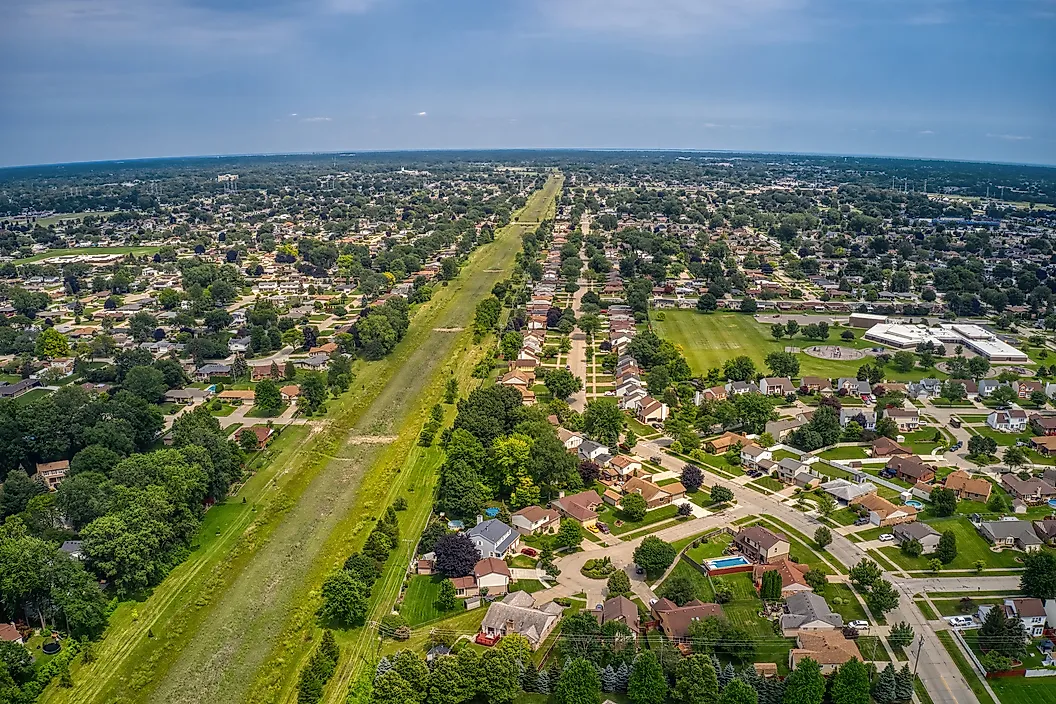

Pasadena does not sell itself with skyline views or glossy downtown branding. It works in a quieter way, through shift schedules, port access, plant jobs, family neighborhoods, and homes that still feel reachable to many Houston-area renters. That is where rental yields start to make sense. Investors looking at this part of Harris County are not chasing a resort market. They are reading the daily life of a working suburb tied to the Houston Ship Channel, southeast Houston job centers, and a tenant base that often values price, commute, and stability over flash. Pasadena’s median household income was listed at $64,927 in recent Census data, which helps explain why rent pricing must stay grounded rather than inflated. For landlords, that can be a strength. A market does not need luxury demand to produce steady cash flow. It needs people who need clean, practical homes near work. Pasadena has that. For owners building local visibility, property market exposure for Texas investors also matters because neighborhood-level trust can shape leads, tenant interest, and resale attention.
Why Industrial Demand Supports Rental Yields in Pasadena
Pasadena’s housing story starts with work. Not remote-work romance. Not boutique urban living. Work with steel gates, plant badges, early shifts, overtime, port traffic, and long commutes that people would rather shorten. That employment base gives the rental market a different rhythm than a trend-driven neighborhood inside Houston’s loop.
Why job proximity matters more than downtown appeal
A renter who works near the Houston Ship Channel may not care about being close to Montrose nightlife or a high-rise office tower. They may care about getting home before dinner, parking a truck without drama, and renting a house where the monthly number does not crush the family budget.
That is the first real investor lesson here. Pasadena’s appeal is not always emotional at first glance. It is practical. Practical demand can be less glamorous, but it can also be more repeatable.
Port Houston describes the Houston Ship Channel as a 52-mile waterway, with eight public terminals under its ownership, management, or operation. That matters because port activity is not a single employer. It supports a wide web of logistics, maintenance, chemical, refining, warehouse, trucking, and service jobs. One plant slows down, another contractor hires. One family moves out, another worker wants the same commute.
This is why a Pasadena rental does not need to win every renter in the metro. It only needs to serve the right slice of the metro. A clean three-bedroom home near Spencer Highway, Red Bluff Road, or Beltway 8 access can speak clearly to a household that wants shorter drive time and lower rent than many inner Houston choices.
The counterintuitive part is that industrial surroundings can hurt curb appeal while helping tenant depth. Some buyers see refineries and traffic and stop looking. A renter who works nearby may see a shorter day and a lower fuel bill. Those two views create the investor opening.
How the industrial base shapes tenant behavior
Industrial workers often rent with a different set of priorities. They may need driveway space, storage, quick access to highways, and a home that can handle long days without constant repairs. They may not need a designer kitchen. They do need cold air in August.
That sounds simple, but many landlords miss it. They spend on cosmetic finishes while ignoring the items that hold tenants: HVAC quality, safe exterior lighting, pest control, solid fencing, working appliances, and fast repair response. Pasadena tenants may forgive older tile. They will not forgive a weak air conditioner during a Gulf Coast heat wave.
A real example helps. A small investor buying a 1960s brick ranch near an industrial corridor might be tempted to copy a flip style from a pricier Houston neighborhood. White paint, trendy fixtures, cheap flooring. That can photograph well for one weekend. But if the plumbing is tired and the attic insulation is poor, the tenant experience falls apart.
Better math comes from boring work. Replace the failing water heater. Service the AC. Add durable flooring. Fix drainage near the driveway. These choices do not always sparkle in listing photos, but they protect rent collection.
Pasadena’s industrial identity also supports a wider range of renter types. You may see plant employees, port-adjacent contractors, hospital workers commuting across the southeast side, restaurant staff, warehouse employees, and families priced out of newer master-planned suburbs. That spread matters. A landlord depending on one trendy renter profile is exposed when tastes change. Pasadena runs on need.
How Pasadena Texas Real Estate Prices Change the Investor Math
A strong rental market does not help much if the purchase price is too high. That is where Pasadena gets interesting. The city sits inside the Houston metro, but it often prices more like a practical working suburb than a polished destination market. For investors, the gap between rent and acquisition cost is the whole game.
Why lower entry cost can protect cash flow
Pasadena Texas real estate attracts attention because the buy-in can still sit below many hotter Houston-area neighborhoods. Zillow’s April 2026 data placed the average Pasadena home value at $218,978, down 3.5% over the prior year. That number can shift by property type, block, condition, and flood risk, but it shows the broad pricing lane investors are studying.
Lower price does not mean easy profit. It means the numbers have room to breathe. A buyer paying too much for a rental in a high-demand inner neighborhood may need premium rent from day one. In Pasadena, a buyer who finds the right property may have more space to handle repairs, vacancy, insurance, and property taxes without turning the rent into a fantasy number.
That is not a small thing in Texas. Property taxes can bite hard. Insurance costs have also become a bigger part of the conversation across Gulf Coast markets. A landlord who ignores those items can fool themselves into thinking a deal works.
The better approach is plain: underwrite the house as it sits, not as you hope it looks after a paint job. Check roof age. Check electrical panels. Check drainage. Check foundation signs. Ask whether the rent supports the real repair load, not the sales pitch.
Pasadena Texas real estate also asks investors to think block by block. A house near schools and daily retail may rent differently than a house closer to heavy truck routes. Two homes with similar square footage can behave like two separate markets. That is where local homework beats a spreadsheet downloaded from a national site.
What older housing stock means for repairs
Many Pasadena homes were built for working families, not luxury buyers. That can be good. Brick exteriors, simple layouts, carports, garages, and practical yards often fit the tenant base. But older stock carries hidden costs.
A cheap house with old plumbing is not cheap for long. A roof near the end of its life can eat a year of cash flow. A rental with poor drainage can create tenant complaints, mold concerns, and insurance headaches.
This is where investors need discipline. Do not confuse low purchase price with low risk. Pasadena can reward buyers who respect maintenance, but it can punish those who buy only because the listing price looks friendly.
A useful rule is to separate cosmetic age from system age. Worn cabinets may be acceptable if they are clean and functional. A weak breaker panel is different. Old windows may be manageable. A foundation issue is not a small weekend task.
One non-obvious upside of older housing is layout flexibility. Many homes have yards, driveways, and enough bedroom count to serve families or roommate-style households. In some cases, a modest home with a fenced yard can compete well against an apartment because it offers space, privacy, and parking.
That is why investors should compare Pasadena rentals against both houses and apartments. A tenant may choose a house even if the finishes are older because the living pattern fits better. Kids have a yard. A worker has space for tools. A family has fewer shared walls. Those details affect retention.
For a deeper owner checklist, connect this market analysis with a rental property cash flow checklist before making an offer.
What Houston Suburb Rentals Must Get Right for Local Tenants
Pasadena is close to Houston, but it should not be treated like a smaller copy of Houston. It has its own habits, concerns, and renter expectations. Owners who understand that difference are more likely to keep homes filled without chasing the wrong tenant profile.
Why affordability must stay believable
Houston suburb rentals compete on value first. That does not mean the cheapest unit always wins. It means the rent has to feel fair for the home, the commute, the school zone, the street, and the repair quality.
A tenant may accept an older kitchen if the house is clean, the AC works, and the landlord responds. They may reject a prettier place if the monthly payment leaves no breathing room. In a working suburb, a rent number that looks slightly too high can sit longer than expected.
The Pasadena Economic Development Corporation markets the city around community identity, industry, location, and housing affordability compared with many parts of the broader Houston-Pasadena-The Woodlands area. That positioning fits what renters often feel on the ground. They are not shopping for a fantasy version of Houston. They are trying to make life work.
Landlords should build around that truth. Price the home against nearby options. Watch days on market. Notice whether comparable homes include appliances, fenced yards, or garage space. A $75 rent difference can matter more here than in a luxury district.
The counterintuitive move is to avoid over-renovating. A landlord may want granite, premium fixtures, and dramatic design choices. But the tenant may value a lower deposit, lower rent, better blinds, and a working washer connection. Spending too much in the wrong place can force rent above what the local tenant pool wants to pay.
How commute routes and daily errands affect demand
Pasadena renters often think in routes. Beltway 8, Highway 225, Red Bluff, Spencer Highway, Fairmont Parkway, and access toward Deer Park, South Houston, and southeast Houston can shape interest as much as bedroom count.
A home that looks average online may rent faster if it sits near the tenant’s work path. A nicer home can struggle if the commute adds stress each day. This is why out-of-town investors should drive the area during shift-change hours, not only on a quiet Sunday afternoon.
Houston suburb rentals also depend on daily convenience. Grocery access, schools, clinics, repair shops, churches, parks, and family networks all affect whether a tenant stays. People do not renew only because of the house. They renew because the house fits their week.
Take a family renting near Pasadena High School or a worker commuting toward Deer Park. Their decision may include school drop-off, evening traffic, and whether a second adult can get to work without crossing half the metro. That is not visible in a cap-rate summary, yet it can shape vacancy.
This is where local investors can beat remote buyers. They know which streets flood faster, which routes back up, where truck traffic feels heavy, and which blocks feel settled. That knowledge is not fancy, but it protects money.
For readers comparing nearby cities, a Houston-area suburb investing guide can help separate Pasadena from Pearland, Baytown, Deer Park, and South Houston.
Risks Hidden Inside Industrial Area Housing Near the Ship Channel
Every market with upside has a cost. Pasadena’s cost is not hard to spot. Industrial activity supports jobs, but it also brings traffic, environmental concerns, perception issues, and street-by-street variation. Serious investors should study those risks before they fall in love with the rent math.
Why environmental perception affects tenant fit
Industrial area housing near the Ship Channel can carry a reputation that some renters avoid. Odors, plant activity, truck movement, and refinery news can shape opinions before a tenant ever tours the home. That does not kill demand, but it narrows who the home serves.
Chevron Phillips Chemical’s Pasadena Plastics Complex, for example, sits on about 650 acres along the Houston Ship Channel and has operated since 1949. That kind of industrial footprint is part of Pasadena’s economic backbone. It is also part of the daily environment around certain parts of the city.
The mistake is pretending the issue does not exist. Good underwriting accepts it. Some renters will not choose Pasadena because of industrial perception. Others already live, work, and raise families there. Your job is not to convince every renter. Your job is to buy the right home for the renter pool that is already present.
Industrial area housing also requires sharper due diligence. Check flood maps. Ask about drainage. Review nearby land uses. Visit at different times. Listen. Smell the air. Watch truck patterns. A listing photo cannot tell you what a street feels like at 5:30 a.m.
The non-obvious insight is that perception risk can create pricing gaps. If buyers over-discount an area because it lacks polish, a careful investor may find solid demand at a better entry cost. But if the discount exists because the location has real livability problems, the deal may be a trap. The difference is fieldwork.
How to underwrite risk without scaring yourself away
Risk does not mean run. It means measure. Pasadena is not the right fit for every investor, but it can fit owners who know how to price repairs, screen tenants fairly, and maintain homes with care.
Start with insurance and taxes before you talk yourself into cash flow. Then study flood exposure. Parts of the Houston region have learned this lesson the hard way. A property that looks profitable can change shape once premiums, deductibles, drainage work, and storm prep enter the picture.
Next, look at tenant durability. A home near stable job routes, schools, and retail may hold demand better than one that relies only on cheap rent. Cheap rent alone is a weak moat. A useful location is stronger.
Port Houston and the U.S. Army Corps of Engineers have been involved in Project 11, a Houston Ship Channel expansion effort designed to widen parts of the channel and improve safety and efficiency. For housing investors, the point is not to guess a direct rent jump from a port project. That would be lazy. The point is that Pasadena sits beside a long-term industrial corridor, not a short-lived job pocket.
A careful investor should also budget for tenant comfort. Better windows, insulation, air sealing, and HVAC service can matter in an older home near busy corridors. These upgrades may not raise rent dollar for dollar, but they can reduce complaints and improve renewal odds.
The final test is simple. Would a working family feel safe, cool, and settled here for two or three years? If the answer is yes, the property deserves a closer look. If the answer depends only on the rent being cheap, keep looking.
Conclusion
Pasadena rewards investors who understand plain needs. It is not a polished bet on lifestyle branding, and that is part of the appeal. The strongest opportunities come from homes that serve workers, families, and renters who want access to southeast Houston job centers without paying inner-city prices. This market asks for discipline. You have to respect repairs, storm risk, taxes, insurance, and street-level differences. You also have to know when not to over-improve a house beyond what local renters value. That is why rental yields in Pasadena should be judged through real operating costs, not surface-level rent estimates. The city’s industrial base gives it a steady demand engine, but the winning property still has to feel livable on a normal Tuesday night. Buy for the tenant who already understands Pasadena, not the one you wish would move there. Walk the blocks, price the repairs, test the commute, and let the numbers earn your confidence before you make the offer.
Frequently Asked Questions
Is Pasadena Texas a good place to buy rental property?
It can be a strong fit for investors seeking practical, workforce-driven demand near Houston job corridors. The best deals are usually clean, durable homes with fair pricing, solid systems, and access to routes that matter to local renters.
What makes Pasadena different from other Houston suburbs?
Pasadena is more tied to industrial work, port access, and southeast Houston employment than many lifestyle-focused suburbs. That gives it a more practical tenant base, where commute, affordability, parking, and home function often matter more than trendy finishes.
Are renters in Pasadena mostly families or workers?
Both groups matter. Many renters are working households connected to nearby plants, logistics, services, schools, and Houston-area jobs. Family renters often value yards, bedroom count, parking, and stable monthly costs over luxury upgrades.
What risks should investors check before buying in Pasadena?
Flood exposure, insurance cost, property taxes, foundation condition, roof age, drainage, nearby industrial uses, and street-level tenant appeal all need careful review. A low purchase price can hide repair or location problems that weaken long-term returns.
Do older homes in Pasadena make good rentals?
Older homes can work well when the structure, roof, plumbing, electrical, and HVAC are sound. Simple layouts, yards, driveways, and family-friendly space can be attractive, but deferred maintenance can erase cash flow fast.
How should landlords price a Pasadena rental?
Pricing should match nearby homes, property condition, included appliances, parking, yard space, and commute value. Pushing rent too high can increase vacancy. A fair rent with fast repairs may create better long-term income than chasing the highest number.
Is industrial activity a problem for Pasadena renters?
It depends on the renter and the exact location. Some people avoid industrial surroundings, while others choose Pasadena because it places them closer to work. Investors should visit the property at different times and study nearby land uses before buying.
What type of Pasadena property is best for steady tenants?
A clean two- or three-bedroom home with working systems, good cooling, safe lighting, parking, and easy access to work routes often fits the local renter base. Durability and comfort usually matter more than expensive cosmetic upgrades.