
A good suburb does not win buyers because it looks perfect on a postcard. It wins because daily life keeps proving the price makes sense. Naperville has become a place to own property because it blends strong schools, a real downtown, rail access, parks, jobs, and the kind of local pride that shows up in resale demand. Recent rankings have kept Naperville near the top for buying a house, raising a family, and living well, but the deeper story is less flashy. It is about stability. It is about buyers who can afford choice, then still pick this city west of Chicago.
For homeowners, investors, and move-up buyers, local real estate market updates matter because Naperville is not cheap. You need a reason to pay the premium. The reason is not one feature. It is the stack. High household income, respected schools, commuter access, and strong civic identity all push Naperville real estate into a different lane from many Chicago suburbs. The city is not a bargain hunt. It is a confidence purchase.
Why Families Still Choose to Own Property in Naperville
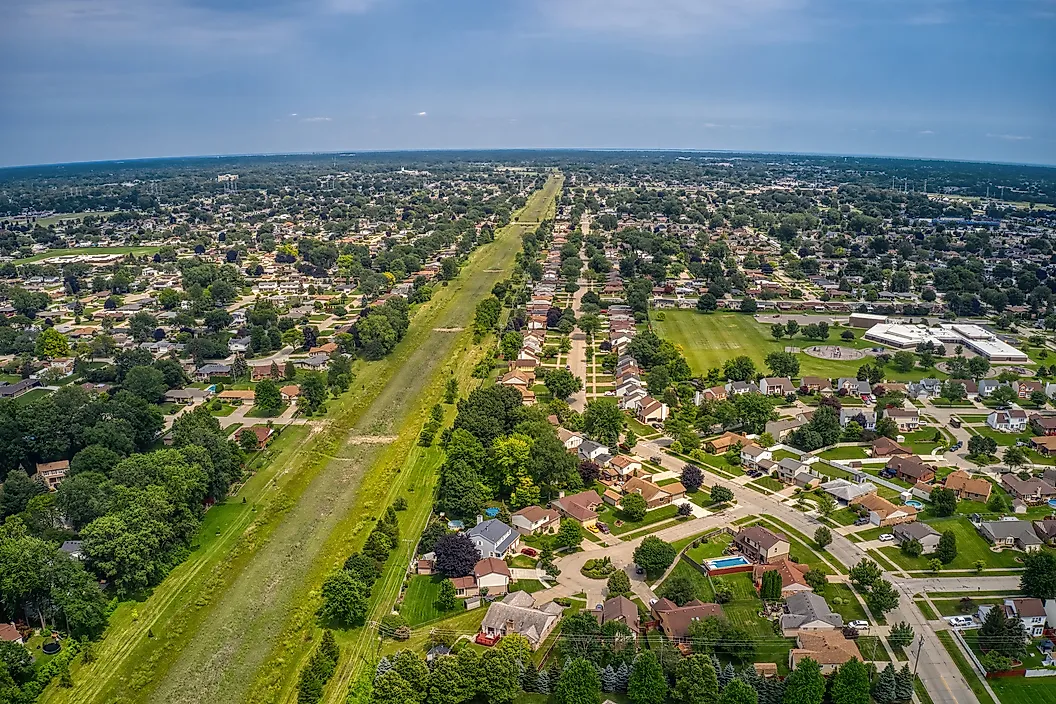
Naperville’s housing appeal starts with a simple tension. Buyers want room, safety, schools, and access to Chicago, but they do not want to feel like they gave up a real town to get it. That is where this suburb keeps winning. It has the scale of a large city, yet many neighborhoods still feel settled, green, and personal. The tradeoff is price. Buyers who come here usually accept that the entry point will sting. What they want in return is durability.
School demand keeps resale value from feeling random
Schools are one of the strongest forces behind Chicago suburb homes, and Naperville has two names that buyers keep watching: District 203 and Indian Prairie District 204. District 203 says it serves more than 16,000 students and is one of Illinois’ largest high-performing districts. That kind of reputation does not make every house a winner, but it gives buyers a reason to stretch.
The non-obvious part is that school demand can protect older homes, not only newer ones. A dated kitchen near a favored attendance area may still draw buyers because the location solves a bigger life problem. Parents can change cabinets. They cannot move a school boundary by wish.
That matters for Naperville real estate because many homes were built across different growth waves. You will find older split-levels, 1990s subdivisions, townhomes, larger custom homes, and newer infill projects. The school pull helps keep demand from relying on one style of house.
The city offers suburb space without full suburban isolation
Plenty of suburbs promise peace. Fewer give you a downtown that people use after 5 p.m. Downtown Naperville has restaurants, shops, the Riverwalk, North Central College nearby, and Metra access close enough to shape buyer behavior. That mix changes how people judge a home.
A buyer looking near downtown may accept less square footage because walkability carries weight. A buyer farther south may pick a larger house and use the downtown as a weekend draw. Both buyers are choosing the same city for different reasons.
That is why Naperville does not behave like a one-note bedroom community. Its best neighborhoods are not all competing on the same feature. Some sell charm. Some sell space. Some sell schools. Some sell easier commuting. That spread is healthy because it gives demand more than one door to enter.
The Chicago Location Gives Naperville More Than Commuter Appeal
Location is often treated like a map fact, but in housing it works more like a safety net. Naperville sits about 28 miles from Chicago, with access to major highways, international airports, and two Metra stations, according to the Naperville Development Partnership. Those connections help explain why the city can attract both residents and employers.
Jobs and income shape the buyer pool
The U.S. Census Bureau reported Naperville’s 2020–2024 median household income at $155,105, with a poverty rate of 4.4%. That income base matters because expensive markets need buyers who can support prices without turning every sale into speculation. U.S. Census Bureau QuickFacts gives a clear read on that financial strength.
This is where Naperville stands apart from weaker suburbs. A high price alone can scare buyers. A high price backed by strong local incomes feels different. It suggests that demand comes from people with stable jobs, savings, and long-term plans.
The counterintuitive point is that Naperville’s cost can be part of its stability. Not because expensive is always better. It is not. But higher entry costs can create a buyer pool that plans to stay, improve the home, and protect the neighborhood’s look and feel.
Chicago suburb homes gain from choice, not dependence
Some suburbs depend too much on one commuter pattern. If office habits change, demand softens. Naperville has commuter value, but it is not only a commuter bet. That gives buyers a stronger base.
A remote worker can still want Naperville for schools and parks. A hybrid worker can use Metra. A household with one Chicago job and one suburban job can split the difference. A retiree may want the medical access, dining, and familiar community ties without moving into the city.
That is why Illinois real estate market trends should be read with local context. The Illinois property market can look uneven from one county or suburb to the next. Naperville’s edge comes from how many different buyer stories fit inside the same place.
The Price Premium Has Real Reasons, But It Still Needs Discipline
Naperville’s reputation can tempt buyers into lazy math. That is risky. A strong suburb can still produce a bad purchase if you overpay for the wrong house, ignore taxes, or buy a layout that will age poorly. The city gives you a better floor than many markets. It does not remove judgment.
Inventory speed tells buyers to prepare early
Zillow reported an average Naperville home value of $618,452 as of April 30, 2026, up 5.0% over the past year, with homes going pending in about 7 days. That does not mean every listing sells instantly. It means strong homes can move before slow buyers finish thinking.
The practical answer is not panic. It is preparation. You want financing lined up, tax estimates checked, school boundaries verified, and repair limits set before the right house appears. In Naperville, hesitation can cost you. So can rushing.
This is where buyers should study Chicago suburb buying guide topics before touring homes. Know the difference between cosmetic wear and expensive deferred maintenance. A roof, windows, drainage issue, or aging mechanical system can change the true price fast.
Property taxes can change the meaning of affordability
Illinois buyers learn this lesson sooner or later: the mortgage payment is not the full story. Property taxes can shift a house from comfortable to tight. Naperville sits in DuPage and Will counties, and the tax picture can vary by location, school district, exemptions, and assessed value.
A house that looks cheaper on the listing page may not feel cheaper after the tax bill. That is not a small detail. It affects monthly comfort, future resale, and how much cash you keep for repairs.
The non-obvious insight is that a higher-priced home can sometimes be the cleaner buy if its condition, location, and tax picture are stronger. Buyers often chase the lower sticker price, then spend years paying for that choice through updates, commute friction, or weaker resale pull.
How Naperville’s Lifestyle Turns Into Long-Term Housing Demand
Lifestyle sounds soft until you watch how buyers behave. People pay for daily ease. They pay for safe routines, good parks, a downtown they can show guests, and schools that make the move feel responsible. Naperville converts those ordinary wants into housing demand better than most suburbs.
Parks, downtown, and public spaces help homes hold attention
Naperville’s Riverwalk is not a small extra. It gives the city a center. Parks, trails, libraries, sports programs, and community events create reasons to stay local instead of treating home as a sleeping place between errands.
This has a quiet effect on home value. A buyer may start with bedrooms and school ratings, then choose the house that feels connected to a fuller life. That feeling matters during resale too. Buyers remember the street, the drive to downtown, the nearby trail, and whether Saturday feels easy.
For sellers, this means the lifestyle story should be specific. Do not only say “great location.” Say how close the home is to a park, how the commute works, or what daily errand loop looks like. Specific beats polished.
The best ranking is not the only reason to buy
Naperville has earned attention from rankings, including Niche’s 2026 ranking that listed it first among U.S. cities to buy a house and first among cities to live and raise a family. The City of Naperville also notes awards from Money and Livability in recent years. Those honors help awareness, but they should not be the whole decision.
Rankings are a doorway. They are not due diligence. A buyer still needs to compare neighborhoods, school lines, taxes, commute patterns, HOA rules, and repair costs. The best Naperville purchase is rarely the one that sounds strongest online. It is the one that fits your life after the excitement fades.
That is also why the Illinois property market rewards patient local reading. Naperville is strong, but it is not uniform. A condo near downtown, a townhome near Route 59, and a detached home near a top school may all be good buys for different people. The winner depends on the buyer.
Conclusion
Naperville’s strength is not built on hype alone. It is built on repeatable reasons buyers care about: schools, income, downtown life, parks, job access, and a location that still ties into the Chicago economy. That mix gives the city a stronger base than many suburbs that depend on one selling point.
Still, smart buyers should respect the price. A strong market can hide weak choices, and a popular address does not fix a poor inspection, bad fit, or strained monthly budget. The better move is to treat Naperville as a premium market that must earn its premium house by house. That mindset protects you.
For many local Americans, the appeal of Naperville Illinois Chicago Suburb Consistently Ranking Among Best Places to Own Property comes down to confidence. You are not only buying walls and a yard. You are buying into a place where demand has many roots. Choose carefully, and the city can reward patience with a home that feels both useful and lasting.
Frequently Asked Questions
Is Naperville a good place to buy a house in 2026?
Yes, for buyers who can handle the price and tax load. Naperville offers strong schools, high incomes, a real downtown, parks, and commuter access. The best value usually comes from matching the right neighborhood to your budget, not chasing the most praised listing.
Why is Naperville real estate so expensive?
Prices reflect school demand, household income, limited prime inventory, and strong lifestyle appeal. Buyers pay more because the city offers several benefits at once. The premium can make sense, but only when the home’s condition, location, and tax bill support the price.
Are Chicago suburb homes in Naperville better for families?
Many families like Naperville because schools, parks, libraries, sports programs, and neighborhoods work together. That does not mean every home is the right fit. School boundaries, commute needs, and monthly costs should guide the final choice more than reputation alone.
What should buyers check before purchasing in Naperville?
Check property taxes, school boundaries, commute routes, HOA rules, inspection results, flood risk, and repair age for roofs, windows, HVAC, and drainage. A home can look fair at first glance but become expensive after routine ownership costs are added.
Is downtown Naperville worth paying more for?
It can be, especially for buyers who value walkability, dining, events, and Metra access. You may trade yard size or square footage for location. The better question is whether that daily convenience matters enough to justify the higher price.
How does the Illinois property market affect Naperville buyers?
Statewide conditions matter, but Naperville often behaves differently because of its income base and local demand. Mortgage rates, taxes, and inventory still shape affordability. Buyers should read local data instead of assuming statewide trends tell the full story.
Are Naperville homes good for long-term resale?
Many homes have strong resale appeal because buyer demand comes from schools, location, safety, and lifestyle. Resale depends on the exact house, though. Homes with practical layouts, clean maintenance history, and strong locations usually age better than overcustomized properties.
What type of buyer is Naperville best for?
Naperville fits buyers who want suburban space without giving up town energy. It works well for families, hybrid workers, move-up buyers, and long-term homeowners who value stability. It is less ideal for buyers who need the lowest possible entry price.