
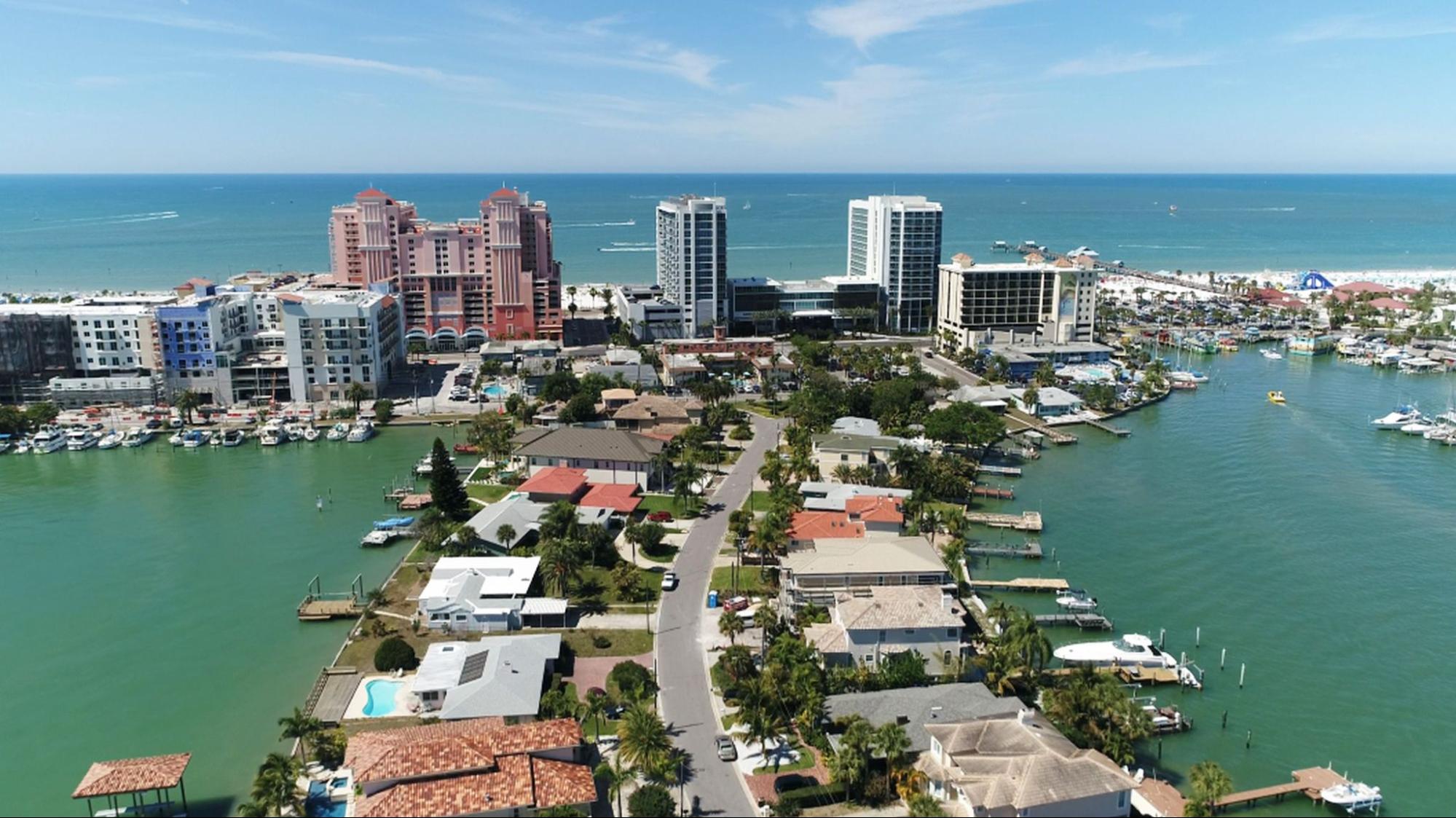
A beach address can make a weak deal look stronger than it is. In Clearwater, the investment return calculation has to answer one plain question first: will the income still make sense after storm risk, flood coverage, insurance pressure, repairs, vacancy, and resale friction are priced in? The Clearwater beach market still has real pull because buyers want Gulf access, walkable water, winter demand, and a recognizable Florida name. Realtor.com’s local market page recently showed a Clearwater median listing price around $369,000, which keeps the city within reach compared with many premium coastal markets, but price alone does not tell you whether the asset is safe or profitable.
That is why smart buyers treat the beach premium as a hypothesis, not a reward. A pretty balcony is not a business plan. The better move is to compare rent upside with storm reserves, roof age, building elevation, condo assessments, and the rules that decide whether you can rent the property the way you planned. Good property market research habits help you slow down before the view starts doing the math for you.
Why the Investment Return Calculation Starts With Risk Before Rent
Most buyers start with the rent number because rent feels like income. In Clearwater, that is backwards. The beach, bay, and barrier-island setting can create strong demand, but it also loads the deal with risks that do not show up in a glossy listing. The non-obvious truth is that the safer deal may sit a few minutes from the sand, not directly beside it. The rent may be lower, yet the return can be cleaner. That is uncomfortable for buyers who came shopping for a view, but it is often where the better math begins. The right comparison is not beach versus no beach, and it is not lifestyle versus fear. It is risk-adjusted beach income versus the calmer income you could earn from a less exposed address.
The postcard view can hide the weakest yield
A Gulf-facing condo can look like the winner because the nightly or seasonal rate feels rich. But once you add higher association dues, special assessments, wind coverage, flood coverage, furniture replacement, elevator downtime, and post-storm cleanup, the spread can shrink fast. A mainland duplex near downtown Clearwater may not win on Instagram, but it can win on net operating income. It may also give you more control over repairs, tenant screening, parking, and renewal timing.
This is where coastal real estate returns get misunderstood. Gross rent is loud. Net return is quiet. A buyer who pays a large premium for a direct water view needs that premium to work twice: once while holding the property, and again when selling it to the next buyer who will ask sharper questions about insurance and storm history. A high-income unit with fragile expenses is not safer than a lower-income unit with stable costs.
A simple test helps. Compare two properties as if both had one bad rental month, one insurance surprise, and one repair bill in the same year. If the beach unit only works when nothing goes wrong, it is not an investment, and the first storm season will expose that weakness. It is a bet with rental income attached.
Flood maps and evacuation zones are not the same question
Pinellas County makes a point that every buyer should keep close: everyone in the county is in a flood zone, but flood zones, evacuation zones, and storm surge measure different hazards. A property can sit outside one concern and still carry exposure from another.
That distinction matters in the Clearwater beach market because buyers often hear “not in the worst zone” and relax. Wrong move. A buyer has to separate the map categories before trusting the asking price. Flood zone affects lending and insurance. Evacuation zone affects life safety and access. Storm surge affects whether the first floor, parking garage, pool equipment, or electrical systems can survive the event that never appeared in the rental pro forma. Two units in the same building can even feel different if one has storage, mechanical systems, or parking placed in a more exposed spot.
Use FEMA maps, Pinellas tools, and city elevation records before you argue about price. Clearwater’s own floodplain resources point buyers toward property-level flood and elevation data, including elevation certificates where available. That one document can change the feel of a deal because elevation is not theory. It is the line between damage and downtime.
How Hurricane Exposure Changes the Monthly Cash Flow
Once risk is mapped, the next step is cash flow. The common mistake is to plug in a rent estimate, subtract the mortgage, and call the leftover amount profit. In a Florida beach property investment, the storm year must be modeled before it arrives. The friction is not only a direct hurricane hit. It can be a premium increase, a carrier change, a deductible you forgot, or a condo board vote after damage to shared systems. That is why a stable-looking monthly profit should be treated as draft math until the insurance and rental rules are checked. A lender may approve the loan, and the listing agent may quote strong rent. Neither one proves the property can handle a bad season without eating your capital.
Insurance is a line item, not an afterthought
FEMA says the National Flood Insurance Program provides flood insurance to property owners, renters, and businesses, and the agency frames coverage as part of faster recovery after floodwater recedes. That point sounds simple, but investors often treat flood coverage as a closing task instead of an operating cost.
Homeowners insurance and flood insurance are not the same product. Wind, flood, contents, loss of rent, ordinance coverage, and association master policies can each answer a different question. A condo buyer also needs to know where the master policy stops and the unit owner policy begins. The painful surprise is not always that coverage is expensive. Sometimes the surprise is that the part you assumed was covered sits outside your policy.
Get quotes before the inspection period ends. Then rerun the deal with a higher deductible event and a slower booking month. If one claim year wipes out three years of positive cash flow, the return is thinner than it looks. That does not always kill the deal, but it should change the offer. A seller may dislike that logic, but your lender, insurer, and future buyer will not care about the seller’s feelings.
Rental rules can break the spreadsheet
The fastest way to overstate income is to assume you can run any Clearwater property as a nightly rental. Clearwater’s own residential rental language says residentially zoned properties cannot be rented for periods shorter than 31 days or one calendar month, whichever is less. The city also says short-term rentals are not permitted in residential zoning districts through its ADU guidance.
That rule changes the math. A condo in a tourist-friendly setting may support a different income plan than a single-family house in a residential district. Pinellas County also has a short-term rental Certificate of Use program for rentals under 30 days more than three times per year, with rules tied to safety, parking, noise, trash, and taxes.
Here is the counterintuitive part: a legal monthly rental can beat an illegal nightly plan. Fewer turnovers reduce cleaning costs. Longer stays cut guest wear. Snowbird demand can bring stable winter income. The return may look less exciting on a booking calendar, but it can be far stronger after legal risk and operating drag are removed. For deeper planning, pair the local rules with a rental property cash flow guide before you set an income target.
How to Price the Deal After Insurance, Rules, and Repairs
After you understand income and risk, price becomes less emotional. You are no longer asking, “What is this beach property worth?” You are asking, “What price lets this property survive normal ownership stress?” That is a better question. It keeps you from paying a tourist price for an investor asset. It also protects you from the seller’s favorite story: that demand will cover every flaw. Demand helps, but it does not pay a deductible, replace a roof, or fix an HOA budget that was too thin for years. Your offer should act like a filter. If the seller will not absorb the risk you can already see, the buyer should not pretend that risk disappeared.
Inspection math beats optimism
A Clearwater inspection should read like a storm file, not a basic home tour. Roof age, window protection, exterior doors, drainage, seawall condition, HVAC placement, electrical panel height, balcony concrete, and past water intrusion all belong in the conversation. On a condo, add reserve studies, milestone inspection records when applicable, board meeting minutes, pending lawsuits, and insurance renewal history. Ask for documents early because the best questions often appear after the first review, not during the showing.
Do not treat repairs as one bucket. Split them into three groups: safety items, insurance items, and income items. A roof issue may affect both coverage and resale. A tired kitchen may affect rent but not insurability. Pool equipment placed too low can create downtime after surge or heavy rain. The repair that looks boring may be the repair that protects the deal.
This is where Florida beach property investment gets more practical than glamorous. A $12,000 credit at closing may sound useful, but a completed repair before closing can be worth more if it unlocks better insurance terms or prevents a lender objection. Cash in your pocket is nice. A property that can close, insure, and rent cleanly is nicer.
The reserve account needs its own return target
Many investors set aside reserves as a flat number. That is too soft for a coastal asset. A Clearwater reserve should be tied to the parts most likely to fail or cost money after a storm: deductible exposure, lost rent, debris cleanup, moisture repairs, temporary relocation of guests, and emergency contractor pricing. The reserve is not dead money. It is what keeps you from selling at the worst moment.
Think of reserves as part of the purchase price. If you buy a property for $500,000 and need $40,000 in storm and repair reserves to sleep well, your capital basis is not $500,000. It is $540,000 before closing costs. That changes the yield. It may also change your down payment target, your renovation plan, and your patience during negotiation.
The quiet insight is that a larger reserve can make you more aggressive, not less. If you have cash ready after a storm, you can repair faster, reopen faster, and avoid selling into a scared market. Weak owners wait. Prepared owners act while contractors still answer the phone. For a buyer comparing several Gulf Coast options, a Florida coastal rental risk checklist can keep this review from turning into guesswork.
When the Beach Premium Still Makes Sense
A hard look at risk does not mean Clearwater is a bad market. It means the best deals need cleaner math. Clearwater has brand value, tourism appeal, a mix of beach and mainland inventory, and access to the wider Tampa Bay job base. The area still attracts buyers who want water, warm winters, and a lifestyle that feels scarce in much of the country. Scarcity can support value, but only when the asset can carry its own costs. If the property needs constant excuses, the beach premium has gone too far. The best purchase is the one where the beach adds value after the risk bill is paid, not before.
Good returns come from exits, not gross rent
Many investors judge coastal real estate returns by annual rent. That is only half the story. The exit matters because the next buyer will inspect the same risks you inspect today. A property with confusing rental rights, weak reserves, unknown flood exposure, or repeated insurance shocks may rent well yet sell poorly. That matters more in a higher-rate world because buyers are already stretching to make monthly payments work.
NOAA’s Historical Hurricane Tracks tool lets buyers review past storm paths using official hurricane track data, and that kind of source is useful because memory is selective. Locals may remember the last bad storm. Insurance models and buyers care about patterns, near misses, and future exposure.
A smart exit plan asks who will buy from you later. A second-home buyer may care about view and finish. An investor may care about net yield. A retiree may care about safety and monthly carrying cost. If your deal only appeals to one narrow buyer type, your return depends on perfect timing.
A safer deal may look less exciting on day one
The strongest Clearwater deal may be the one that feels less dramatic. It may be a well-kept condo with clear documents, higher elevation, sane dues, legal monthly rental demand, and a board that has already faced insurance reality. It may be a small mainland rental where tenants care more about location and parking than a Gulf view. Boring can be a strength when the market gets nervous.
That kind of asset rarely wins the cocktail-party test. It can still win the bank-account test. Lower drama means fewer emergency decisions. Fewer emergency decisions protect returns. This is also why the best offer is often below the number your emotions accept on the first beach weekend.
The beach premium makes sense when three numbers agree: the net income after honest costs, the reserve requirement after storm planning, and the resale value after a cautious buyer repeats your due diligence. When those numbers disagree, do not force the deal. Clearwater will have another listing.
Conclusion
Clearwater rewards buyers who respect both sides of the coast. The same water that draws renters, snowbirds, and second-home shoppers also raises the cost of ownership. That tradeoff is not a warning sign by itself. It is the price of admission.
The investors who get hurt are the ones who fall in love with rent before they price the risk. A sound investment return calculation treats insurance, flood data, legal rental limits, reserves, and exit value as part of the deal from day one. It does not bolt them on after the offer is signed.
My view is simple: buy the property that still works after a rough year. Not the one that only works in a perfect season. If the numbers survive higher premiums, slower bookings, a repair bill, and a cautious future buyer, the beach exposure may be worth it. Start with the risk, make the offer colder than your emotions want, and let the math earn the view.
Frequently Asked Questions
Is Clearwater Beach a good place to buy investment property?
It can be, but only when the deal works after insurance, flood coverage, reserves, rental rules, and maintenance. Beach demand is strong, yet the best property is not always the closest one to the sand. Net return matters more than view.
How should I estimate hurricane risk before buying in Clearwater?
Start with FEMA flood maps, Pinellas County evacuation tools, city elevation records, insurance quotes, and the property’s repair history. Then model at least one bad year with a deductible, lost rent, cleanup cost, and slower bookings.
Can I run an Airbnb in Clearwater residential zoning?
Many residential districts in Clearwater do not allow rentals shorter than 31 days or one calendar month. Always verify zoning, condo rules, business tax requirements, and any county program before assuming nightly rental income.
What costs do buyers forget in a beach rental deal?
Common misses include flood insurance, wind deductibles, higher cleaning wear, furniture replacement, HOA increases, special assessments, moisture repairs, lost rent after storms, and legal limits on rental length. Any one of these can change the return.
Is a condo safer than a single-family beach house?
Sometimes, but not always. A condo may shift exterior maintenance to the association, yet it can add dues, assessments, master-policy gaps, board risk, and rental restrictions. A single-family home may offer control but more direct repair exposure.
How much cash reserve should I keep for a Clearwater rental?
A fixed number is weaker than a property-specific reserve. Base it on deductibles, roof age, flood exposure, HVAC placement, rental income, association documents, and likely repair delays. Many buyers should hold more cash than a normal inland rental would require.
What is the biggest mistake investors make in the Clearwater beach market?
The biggest mistake is using gross rent as the main decision number. A property can show strong income and still fail after insurance, flood risk, legal rental limits, repairs, and resale friction are counted.
Should I buy directly on the beach or a few minutes inland?
A few minutes inland can produce a better net return when the purchase price, insurance, reserves, and maintenance are lower. Direct beach property can still work, but the premium must be supported by legal income and strong resale demand.