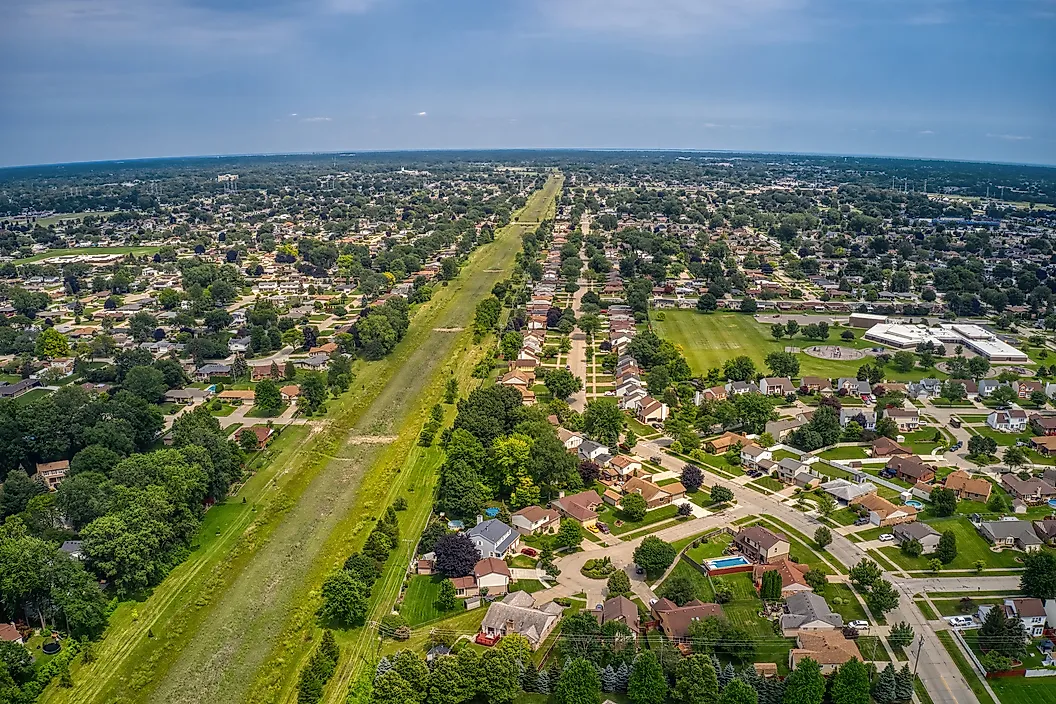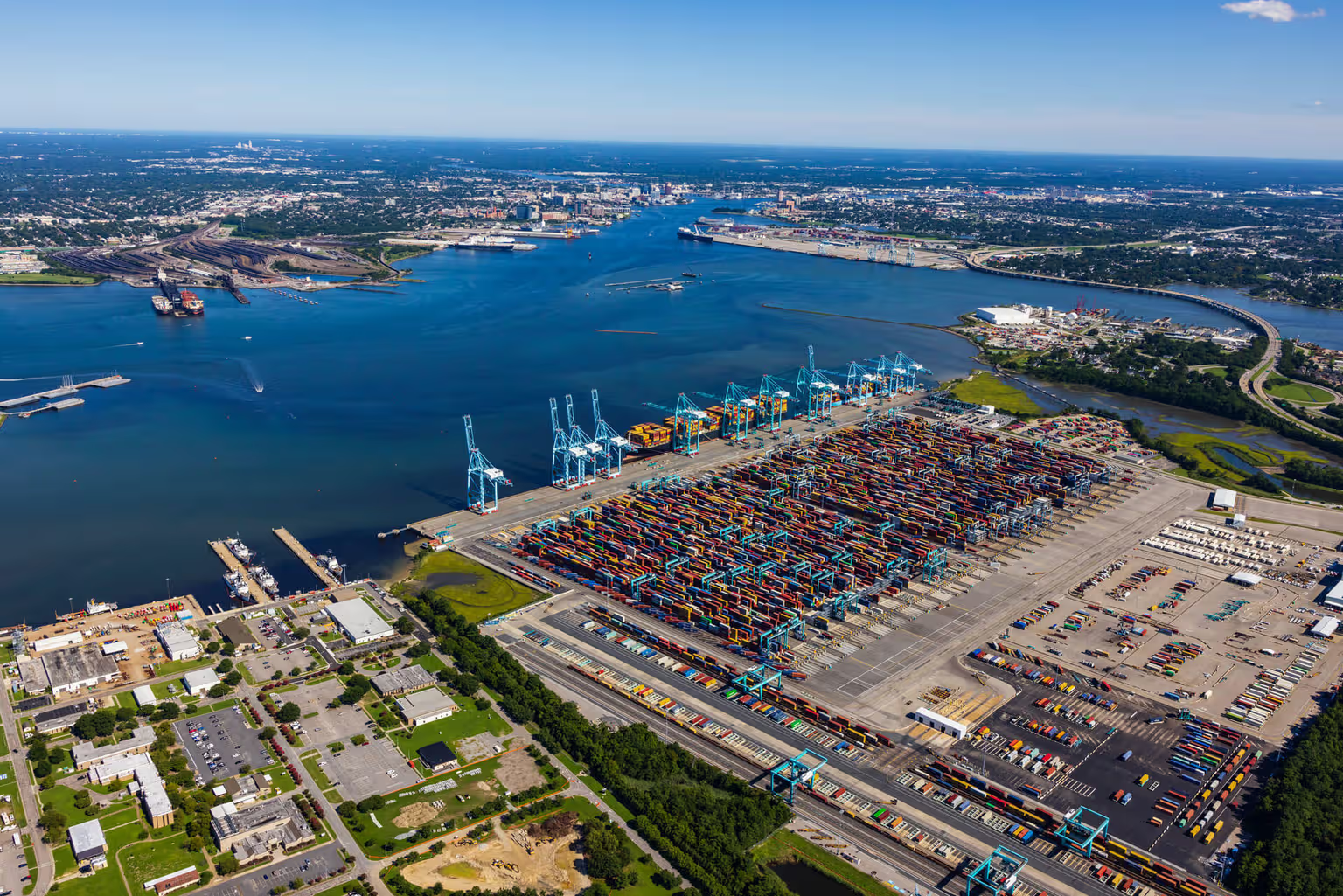
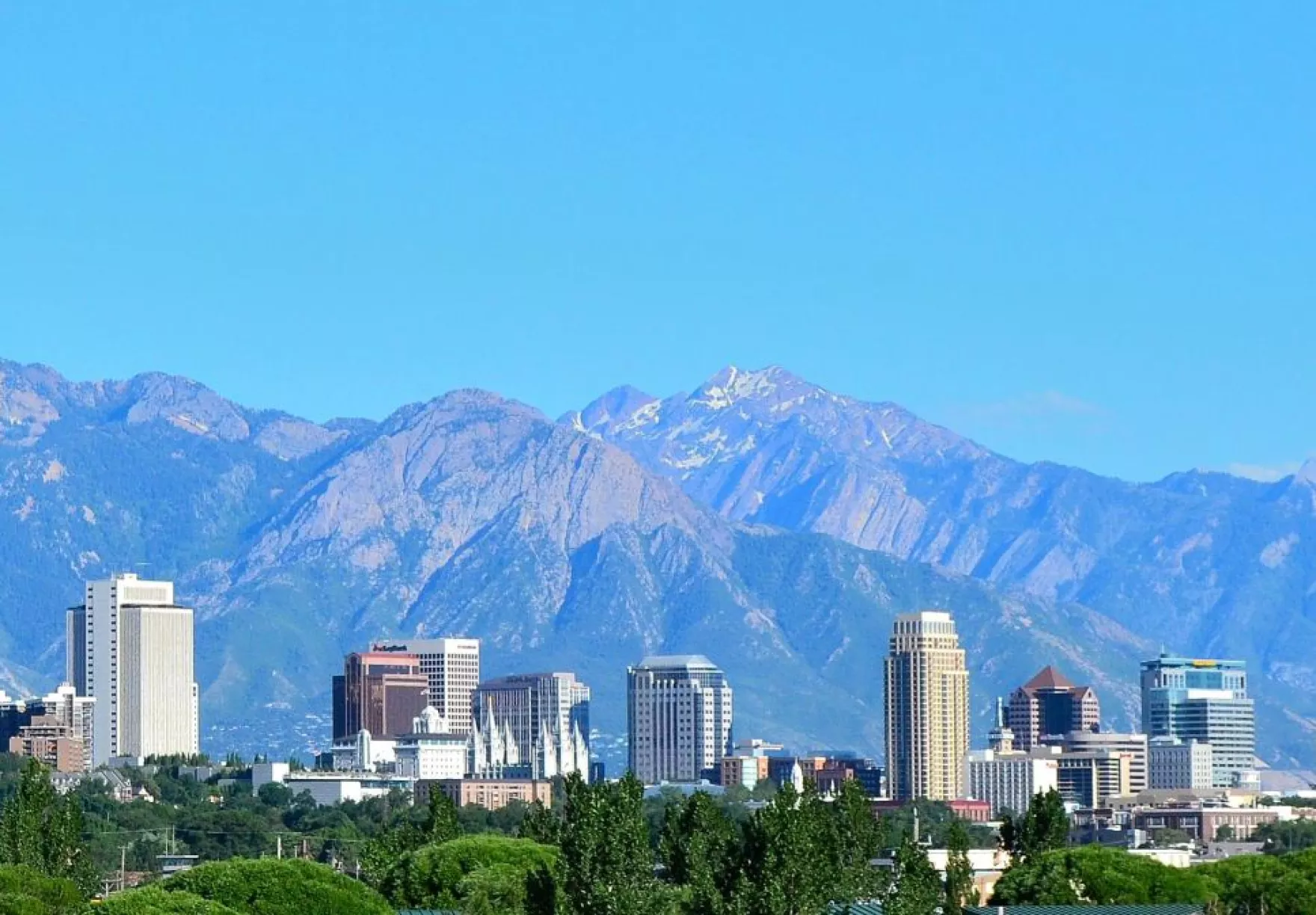
The Salt Lake housing story is no longer only about who can afford a downtown apartment with a rooftop view. West Valley City has become a practical answer for renters, buyers, and small investors who still want access to the metro core but need numbers that make sense on an actual paycheck. This Salt Lake suburb is absorbing spillover demand because downtown Salt Lake housing has pushed many households to ask a plain question: what am I paying for, and what am I giving up? For readers tracking local real estate demand signals, the lesson is simple. Price matters, but so do parking, bedrooms, commute routes, school routines, and whether the lease still feels fair after the first-year special expires. The pull toward the west side is not a fad. It is a pressure valve. When the center gets costly, people do not stop needing homes near jobs. They redraw the map.
Why West Valley City Keeps Catching Downtown Demand
Demand rarely moves in a straight line. It bends around income, traffic, schools, family size, and the private stress of opening a rent renewal letter. That is why this market has gained attention. It sits close enough to the Salt Lake core to stay useful, yet far enough from the priciest downtown blocks to feel more reachable for households that need room to breathe.
Why spillover demand follows everyday math
Spillover demand sounds like a market term, but it starts at the kitchen table. A renter compares a downtown one-bedroom with a west-side two-bedroom. A young family checks whether one car can handle the commute. A buyer asks if a starter home still exists without turning every dollar into a mortgage payment.
That math is personal. A warehouse supervisor near the airport, a hospital worker on rotating shifts, or a restaurant manager downtown may not care about a lobby coffee bar. They care about a lease that leaves money for childcare, insurance, and groceries. When enough people make that same choice, a Salt Lake suburb starts to feel less like a backup plan and more like the smart middle.
The counterintuitive part is that distance is not the main issue. Predictability is. A renter may accept a longer drive if the monthly cost is stable and the unit has space for a home office or a second child. The cheapest option does not always win. The option with the fewest surprises often does.
How families trade skyline access for usable space
Downtown living sells convenience, and for some people it earns the premium. A single professional who walks to work and spends weekends in the city center may see the value. A family with two kids, a dog, and sports gear in the trunk sees the same offer through another lens.
A household moving from a tight downtown unit to a west-side rental might gain a garage, a small yard, or a second bathroom. None of those sound glamorous. They change daily life. Morning routines move faster. Storage stops eating the living room. Guests can visit without everyone stepping over laundry baskets.
This is where the market gets easy to misread. Demand does not always chase the newest building. It often chases the floor plan that lowers friction. A home built decades ago can beat a newer unit if it offers the right mix of space, parking, and location. That is the quiet force behind many west-side moves.
The Rent Gap Is Not Only About Cheaper Apartments
The first mistake people make is treating the west side as a simple discount zone. That misses the deeper story. Renters are not only fleeing higher prices. They are reacting to the shape of those prices: application fees, parking charges, pet rent, renewal jumps, and incentives that look generous until the second lease term arrives.
What downtown Salt Lake housing leaves out
A downtown unit can look fair on a listing page and feel different after add-ons. Paid parking may be separate. Storage may cost extra. Pet fees can stack fast. A one-month concession can soften the first year, but it does not always lower the base rent when renewal season arrives.
That is why downtown Salt Lake housing pushes some renters to search beyond the central blocks even when headline rents appear to cool. The posted price is only one line. The lived price is the full bill after fees, commute changes, space limits, and lifestyle tradeoffs. Renters learn this fast.
For a practical comparison, a renter should write two numbers side by side. One is the advertised rent. The other is the real monthly cost after parking, utilities, insurance, pet fees, and the gas or transit cost tied to the commute. The second number is the one that decides whether a home works.
Why concessions can hide the true monthly cost
Concessions are not bad. Two months free can help a renter move without draining savings. A gift card can cover furniture or deposits. The problem comes when a renter treats the first-year deal as the normal price.
A west-side unit with fewer incentives may look less exciting at first glance. Still, it may be easier to understand. If the rent is closer to the real renewal number, you can plan. That matters for families who cannot gamble on a sharp increase after twelve months.
Here is the odd insight: a less flashy lease can be safer than a better-looking deal. The renter who chooses the dramatic concession may win the first month and lose the next year. The renter who chooses the boring, steady payment may sleep better. In housing, boring can be a feature.
Neighborhood Demand Comes From Jobs, Roads, and Family Math
A suburb does not absorb demand by being cheaper alone. It needs movement. It needs roads, job access, shopping, schools, parks, and enough housing types to catch people at different stages of life. The west-side market has those pieces in a way that makes it more than a spillover pocket.
How commute routes shape rental choices
The Salt Lake metro is built around practical movement. Access to I-215, Bangerter Highway, 3500 South, and major west-side corridors changes the rental decision for people who work across the valley. A renter may not be heading downtown every day. They may be driving to the airport area, a logistics site, a medical shift, or a service job that changes locations.
That is why a straight-line map can lie. A home farther from the skyline can still be better placed for the week you live. If your job is west or south of the core, the right suburb can cut stress even when it looks less central on paper.
A concrete example helps. A two-income household with one person working near downtown and another near the airport may find the west side easier than a central apartment. The commute is split. Parking is less painful. Errands fit between shifts. A small location compromise becomes a daily win.
Why older housing can be an asset
Older housing often gets treated as a weakness in real estate talk. That is too simple. Mature neighborhoods can offer larger lots, established streets, practical floor plans, and a price point that newer central units struggle to match. Age is not the enemy. Poor maintenance is.
For buyers, the difference matters. A clean older home with a solid roof, updated mechanicals, and a sensible layout can be a better long-term choice than a newer place with cramped rooms and high monthly costs. For renters, an older house or townhome may offer the bedroom count that a polished apartment cannot.
There is a warning, though. Older homes ask better questions. You should look at insulation, heating systems, sewer lines, windows, and drainage. A lower payment can lose its charm if repair costs pile up. The right move is not to avoid older housing. It is to inspect it with clear eyes.
What Buyers and Renters Should Watch Before They Move
The west-side opportunity is real, but it is not automatic. Any market that catches demand can also catch careless decisions. Renters can overpay for the wrong lease. Buyers can stretch for a house because it looks affordable compared with downtown. Investors can mistake demand for guaranteed profit.
When a suburb absorbs demand too fast
Fast attention can change a neighborhood. More applicants may compete for the same rentals. Sellers may hold firm on price. Landlords may test higher renewals once they see steady interest. That is how affordability can tighten even in a place people picked for value.
This is why you should avoid judging the market by one listing. Compare at least a small group of homes by bedroom count, parking, commute, lease terms, and renewal history. A rent that looks fair for a two-bedroom may be too high if the building has weak maintenance or poor parking. A house that looks cheap may be priced that way for a reason.
For a deeper planning step, pair this article with a Salt Lake metro rental comparison. Then look at monthly costs across the full year, not the first payment. That habit saves people from being fooled by one-time discounts.
How to read the next lease or offer
A good lease tells you more than the monthly rent. It tells you how the property owner handles fees, repairs, pets, parking, late payments, and renewal notice. Read those lines before you fall in love with the kitchen. A nice backsplash will not help when the parking fee changes the budget.
Buyers need the same discipline. Compare the mortgage payment with taxes, insurance, repairs, and commute costs. Then ask how the home would feel after one income shock or one major repair. A house should stretch your life, not trap it.
For first-time buyers, a first-time homebuyer checklist can keep the process grounded. The best move is rarely the one that wins on emotion. It is the one you can still defend six months later, when the excitement fades and the payment stays.
Conclusion
The west side of the Salt Lake metro is no longer a quiet footnote in the region’s housing story. It is where many households test the difference between wanting the center and affording a life near it. West Valley City stands out because it answers a problem that downtown cannot solve for everyone: how to stay connected to the metro without letting housing swallow the budget. Still, value has to be measured with care. The right home is not only cheaper than downtown. It fits the commute, protects the monthly budget, and holds up after the first lease term or the first repair bill. That is why the smartest renters and buyers will treat this market with interest, not blind trust. Watch the full cost, study the tradeoffs, and choose the home that makes daily life easier.
Frequently Asked Questions
Is this Salt Lake suburb a good place for renters priced out of downtown?
Yes, it can be a strong option for renters who need more space, parking, or a lower full monthly cost. The best fit depends on commute routes, lease fees, renewal terms, and whether the unit matches your household size.
Why is spillover demand moving west of downtown Salt Lake?
Higher central housing costs push renters and buyers to nearby areas where space and monthly payments may feel more manageable. The west side also works for people with jobs across the valley, not only those commuting into the downtown core.
Is downtown Salt Lake housing still worth the higher price?
It can be worth it for people who walk to work, want nightlife nearby, or value car-light living. For families, shift workers, pet owners, and people who need extra bedrooms, the premium may not pay off.
What should renters compare before signing a lease?
Compare base rent, parking, utilities, pet charges, move-in costs, lease length, renewal rules, and commute costs. A lower advertised rent can lose its appeal if fees are high or the renewal jump is steep.
Are older homes in west-side suburbs a bad investment?
No, not by default. Older homes can offer larger layouts and stronger value, but inspection matters. Roof age, heating systems, plumbing, windows, drainage, and insulation should be checked before a buyer treats the price as a bargain.
How can buyers avoid overpaying in a spillover market?
Look beyond the downtown comparison. Study recent nearby sales, repair needs, taxes, insurance, commute costs, and resale appeal. A home is not automatically a deal because it costs less than a central neighborhood property.
Do rental concessions make downtown apartments cheaper?
They can lower first-year costs, but they may not lower the renewal price. Renters should divide the concession across the full lease term, then ask what the payment might look like after the discount disappears.
What type of renter benefits most from this market shift?
Households that need practical space often benefit most. That includes families, remote workers, pet owners, and people with west-side or valley-wide commutes. The best match is someone who values function over a central address.