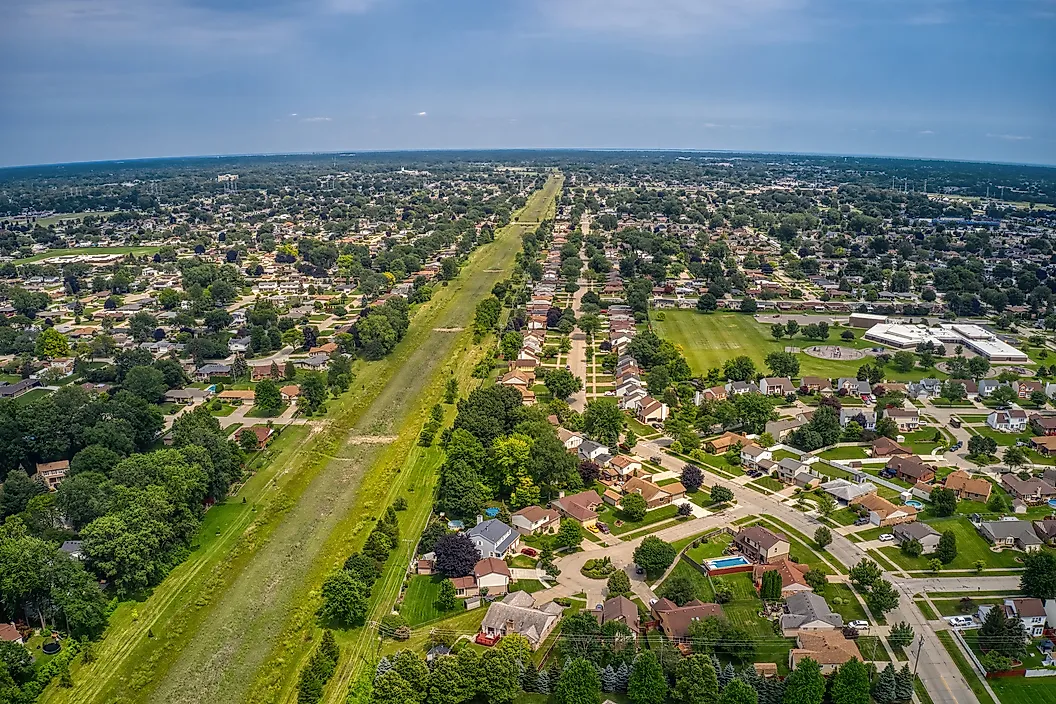
Hampton does not behave like a sleepy coastal city or a one-note military town. Its housing pull comes from several directions at once. That is why real estate demand in Hampton has a sturdier base than many small U.S. cities with similar home prices. You have Langley Air Force Base, Fort Eustis nearby, NASA Langley, federal contractors, medical workers, port-linked jobs, students, retirees, and families who want Hampton Roads access without paying Virginia Beach or Williamsburg prices. The city also keeps showing public interest in housing supply, including infill plans and new downtown apartments.
For buyers, renters, and small landlords, the real story is not “Hampton is growing fast.” It is more useful than that. Hampton has steady churn. People transfer in, rotate out, commute across the region, downsize, rent before buying, or seek a shorter drive to base and shipyard work. That makes this a market where real estate and local business analysis matters more than hype. The right home can stay useful through several tenant types. The wrong one can sit, even in a busy region.
Why Real Estate Demand Holds Up Around Hampton’s Job Anchors
Hampton’s housing base starts with jobs that do not move like fashion. Military missions, federal research, defense contracting, and public institutions create a daily need for homes close to work, schools, shopping, and I-64. That does not mean every property wins. It means the city has several steady lanes of demand, and each lane wants a different kind of home.
Military rental demand starts with movement, not glamour
Military rental demand is often misunderstood. Some investors picture a constant line of perfect tenants with housing allowances and clean paperwork. The better way to see it is simpler: movement creates need. A service member gets orders. A spouse wants a safe commute. A family may not want to buy if they expect another move in a few years.
Langley Air Force Base sits in Hampton, while Fort Eustis sits in Newport News as part of Joint Base Langley-Eustis. The official base listing places Langley AFB at 230 E. Flight Line Road in Hampton and Fort Eustis at 705 Washington Boulevard in Fort Eustis. That geography matters. A renter may search Hampton first for Langley access, then compare Newport News, Poquoson, York County, and Norfolk depending on job location and family needs.
The non-obvious part is that military renters do not always chase the newest unit. Many want predictability. A clean three-bedroom with parking, working HVAC, a sane pet policy, and a 20-minute commute can beat a shinier apartment with fees and tight storage. In Hampton, plain functionality often rents better than flashy upgrades.
Federal and research jobs create a second housing layer
The military is not the only anchor. Hampton also has a federal and research identity, and the city knows it. Hampton’s Federal Area Development Authority says it works with military and federal facilities to promote federal employee housing, offices, and related infrastructure. That tells you something useful: housing is part of the local job machine, not an afterthought.
NASA Langley also adds a different renter and buyer profile. Engineers, contractors, analysts, technicians, and support staff do not always want the same homes as young enlisted renters. Some want quiet streets. Some want short drives to schools. Some want older homes with character near Phoebus, Wythe, or Downtown Hampton. Others prefer a simple suburban layout near shopping and highway access.
This is where Hampton gets more interesting than a standard military market. The same city can serve a rotating service member, a contractor on a multi-year project, a retired veteran, and a nurse at a regional medical facility. Those groups do not move in lockstep. When one source softens, another may keep activity alive.
How the Port of Virginia Economy Reaches Hampton Homes
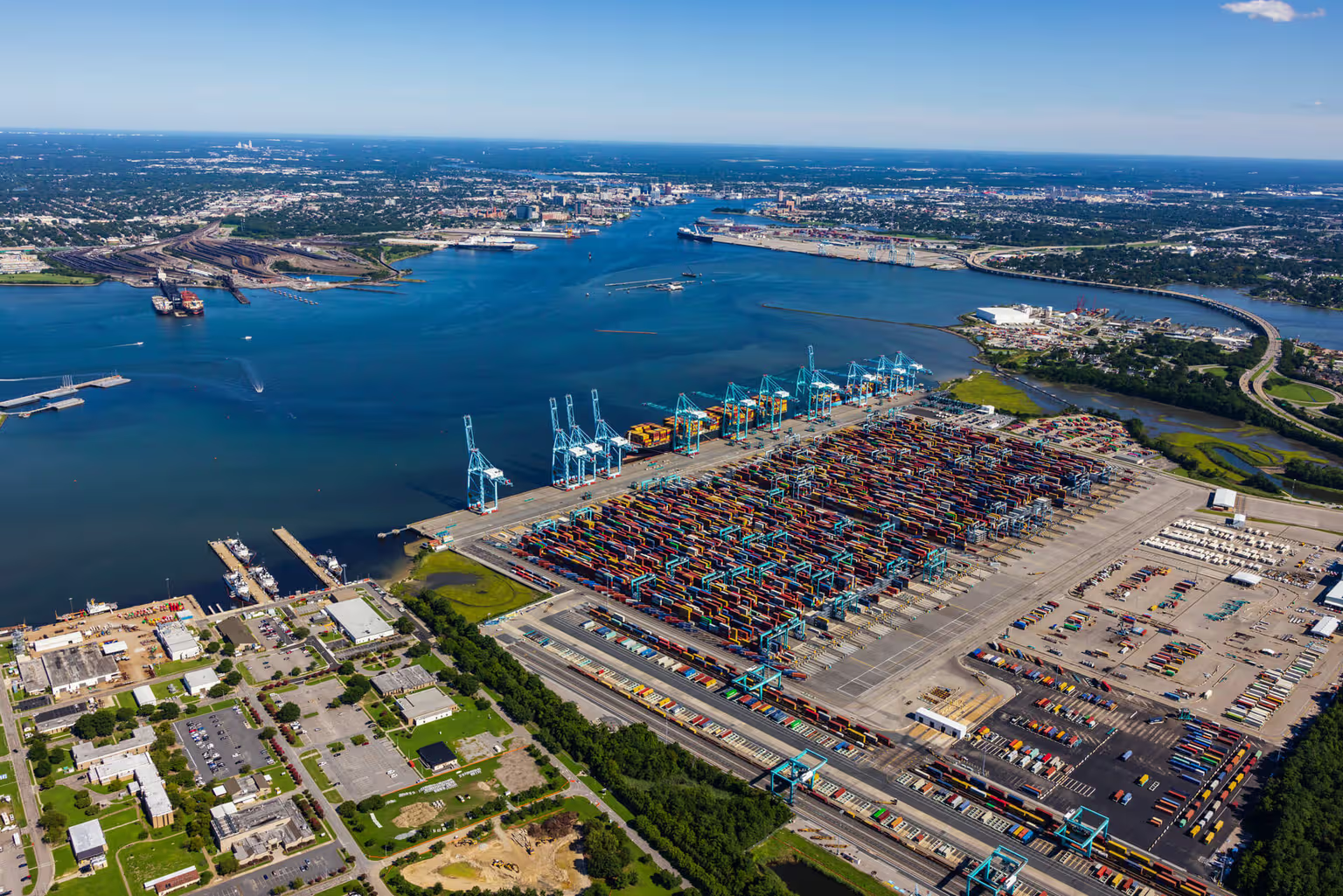
The port does not need to sit inside Hampton’s city limits to shape Hampton housing. Hampton Roads works as one labor web. People cross bridges, tunnels, and city lines every day for shipyards, terminals, warehouses, defense work, repair yards, and logistics offices. The Port of Virginia economy adds weight to that web because port activity supports jobs far beyond dock gates.
Shipyard and logistics workers shop by commute, not zip-code prestige
A buyer who works around Norfolk, Newport News, Portsmouth, or Chesapeake may still look at Hampton if the commute, price, and school plan make sense. That is the hidden force in a regional market. People do not shop only by city brand. They shop by road pattern, tunnel risk, childcare, rent, and monthly payment.
The Virginia Economic Development Partnership describes Hampton Roads as a global gateway and notes the region’s port strength, highway access, airports, and regional commuter patterns. It also says nearly 46% of residents work in a different city than the one where they live. That one detail explains a lot. Hampton housing competes inside a regional map, not a small local box.
This can help affordable homes near I-64 or Mercury Boulevard. A worker may accept a less trendy address if the route works and the monthly cost stays under control. For landlords, that means a basic rental near road access can outperform a prettier unit in a spot that creates daily travel pain.
Water access is an asset and a warning
Hampton’s water is part of its appeal. Buckroe Beach, Hampton River, the Chesapeake Bay edge, and older waterfront pockets give the city a coastal feel without turning the whole market into a resort zone. That helps attract renters who want more than a bedroom near work. They want evening walks, fishing, beach days, and a place that feels tied to the region.
Still, water cuts both ways. Insurance, flood risk, storm history, and maintenance matter. A home near the water may draw attention, but it can also cost more to own. A smart buyer asks about elevation, drainage, roof age, crawlspace condition, and insurance quotes before falling in love with a porch view.
Here is the counterintuitive lesson: the best investment near the water may not be the closest home to the water. Sometimes it is the house two or three blocks back, where the lifestyle appeal remains but the risk profile feels easier. In Hampton, distance from the shoreline can be a form of financial control.
What the Hampton VA Housing Market Looks Like for Buyers and Landlords
The Hampton VA housing market sits in a useful middle lane. It is not the cheapest place in coastal Virginia, and it is not the priciest. That middle position can support first-time buyers, military households, renters moving within Hampton Roads, and small investors who want cash flow without chasing distressed blocks only.
Prices leave room for middle-income households
Hampton’s income and housing numbers show why the city draws practical buyers. The U.S. Census Bureau lists Hampton’s 2020–2024 median household income at $69,621, with a mean travel time to work of 22.5 minutes. Those figures point to a city where daily cost and commute time matter more than luxury branding.
Current market pages show the same middle-lane feel. Zillow reported an average Hampton home value around $279,195, with homes going pending in about 26 days as of May 31, 2026. Realtor.com reported a median listing price near $310,000 and a typical monthly rent around $1,700 in its Hampton market view.
Those numbers do not make Hampton “cheap” for every household. Insurance, repairs, interest rates, and older-home upkeep still bite. But compared with many East Coast metros, Hampton gives buyers a shot at owning near jobs, water, and services without needing a luxury budget.
Neighborhood choice matters more than citywide averages
Citywide numbers can hide the thing buyers need most: fit. Buckroe Beach, Wythe, Fox Hill, Phoebus, Downtown Hampton, Northampton, and Coliseum Central can all serve different lives. A renter who wants beach access may accept less square footage. A family near a school route may skip a trendier area. A contractor may care most about I-64 access.
Realtor.com’s neighborhood figures show that Hampton prices and rents vary by pocket, with examples such as Buckroe Beach, Wythe, Northampton, Fox Hill, Downtown Hampton, and Phoebus showing different listing prices and rent levels. That is why a local plan beats a broad opinion. A landlord buying near Phoebus has a different bet than one buying near Coliseum Central.
For content planning or a local site, this is where Hampton neighborhood rental guide and Virginia real estate investment checklist pages can help readers compare trade-offs. The Hampton VA housing market rewards people who study blocks, not headlines.
Where Local Demand Can Still Disappoint Investors
Steady demand does not protect a weak purchase. Hampton can punish sloppy math because many homes are older, insurance costs can shift, and tenant quality changes by property condition. A good market is not a free pass. It gives you chances. You still have to buy and manage well.
Military rental demand is steady, but tenants still judge the house
Military rental demand can keep a landlord busy, but service members and their families are not desperate by default. They compare commute, safety, schools, storage, pets, and lease terms. If your home has old carpet, weak cooling, poor lighting, or vague maintenance, they may move on fast.
A common mistake is buying the lowest-priced property and assuming base proximity will solve everything. It rarely works that way. The better buy is often a boring home with a clean layout, easy parking, washer-dryer hookups, a fenced yard, and no strange repair story. Boring rents well when boring means dependable.
You also need to respect timing. PCS seasons can lift activity, but leases still expire in all months. A landlord who prices too high in a slower window may lose more in vacancy than they gain in rent. Hampton rewards the owner who tracks the calendar and answers maintenance calls.
Port growth does not save a weak property
The Port of Virginia economy supports regional jobs, but port strength cannot fix a bad roof, poor drainage, or a layout nobody wants. This is where investors get fooled by big economic language. They hear “port,” “military,” and “federal,” then assume any house will work.
It will not.
A port worker may want a simple rental, but that renter still wants clean air, working appliances, decent parking, and a landlord who handles repairs. A shipyard family may consider Hampton for price, but they will not ignore a street that feels unsafe at night. A federal contractor may love the commute, then reject the property because the home office space is poor.
The smarter move is to match the property to the likely tenant. Near Langley, think commute and pet-friendly layouts. Near older neighborhoods, think character plus repairs. Near commercial corridors, think convenience without noise problems. The strongest Hampton purchases solve a daily problem for a clear renter or buyer.
Conclusion
Hampton’s appeal is not loud, and that is part of its strength. It does not need to sell itself as the next hot coastal boomtown. Its value comes from the plain things people build lives around: work, commute time, rent control, homeownership access, military movement, port-linked jobs, and neighborhood fit.
For investors and buyers, real estate demand in Hampton works best when you treat it as layered rather than automatic. A home can pull interest from military households, federal workers, contractors, retirees, students, and regional commuters. Yet each group has limits. They still compare condition, price, schools, safety, traffic, and risk.
That is the honest read. Hampton has durable demand, but not magic demand. Buy a property that solves a real daily need, price it with care, and keep it in shape. Do that, and this old Virginia city can offer something many flashier markets cannot: steady usefulness.
Frequently Asked Questions
Is Hampton Virginia a good place to buy rental property?
Yes, for buyers who study the exact neighborhood and property condition. Hampton has military, federal, port-linked, medical, and commuter renter pools. The best rentals usually offer easy parking, clean systems, pet-friendly layouts, and a commute that makes sense for daily life.
Why do military renters choose Hampton VA?
Many choose Hampton because Langley Air Force Base sits in the city, and Fort Eustis is nearby in Newport News. Shorter commutes, school access, fenced yards, and flexible lease terms can matter more than luxury finishes for many military households.
How does the port affect Hampton housing?
The port supports regional jobs across Hampton Roads, including logistics, shipyard, warehouse, transportation, and supplier work. Some workers choose Hampton because the price, commute, or family setup fits better than other nearby cities, even when their job is outside Hampton.
Are Hampton home prices still affordable for first-time buyers?
Hampton can be more reachable than pricier coastal markets, but affordability depends on mortgage rates, insurance, taxes, repairs, and income. Older homes may have lower purchase prices but higher repair needs, so buyers should inspect carefully before counting the monthly payment.
Which Hampton neighborhoods attract renters?
Buckroe Beach, Phoebus, Downtown Hampton, Wythe, Fox Hill, Northampton, and Coliseum Central can all attract renters for different reasons. Beach access, highway routes, older-home charm, shopping, schools, and base proximity all shape demand by block.
Is Hampton better for long-term rentals or short-term rentals?
Long-term rentals often fit Hampton’s job-driven tenant base better. Short-term rentals may work near beach or event areas, but rules, seasonality, cleaning costs, and insurance can change the math. Many small landlords prefer steady leases tied to local employment.
What risks should Hampton real estate investors watch?
Flood exposure, older roofs, crawlspace moisture, aging HVAC systems, insurance costs, and uneven street-by-street demand deserve close review. A property can look affordable on paper but lose its margin through repairs, vacancy, or weak tenant fit.
Does Hampton’s economy depend only on the military?
No. The military is a major anchor, but Hampton also connects to NASA Langley, federal contracting, health care, education, regional port activity, tourism, and commuters who work across Hampton Roads. That mix helps spread housing demand across several renter and buyer groups.